
YOUTH DEVELOPMENT MINISTER INAUGURATES STEERING COMMITTEES
October 14, 2026


National Youth Forum 2026 – Ministry of Youth and Its Agencies Poised to Tackle Youth Unemployment
Ghana’s youth unemployment challenge remains one of the country’s most pressing development concerns, but the National Youth Forum 2026 has reinforced a clear and forward-looking direction: the response must move beyond counting programmes and beneficiaries to creating sustainable pathways through which young people can acquire relevant skills, access opportunities, build enterprises, secure meaningful employment and contribute actively to national development. At the centre of this agenda is the Ministry of Youth Development and Empowerment (MYDE), positioning itself not simply as a coordinator of youth interventions, but as a catalyst for a more integrated, coordinated and outcome-driven youth development ecosystem.
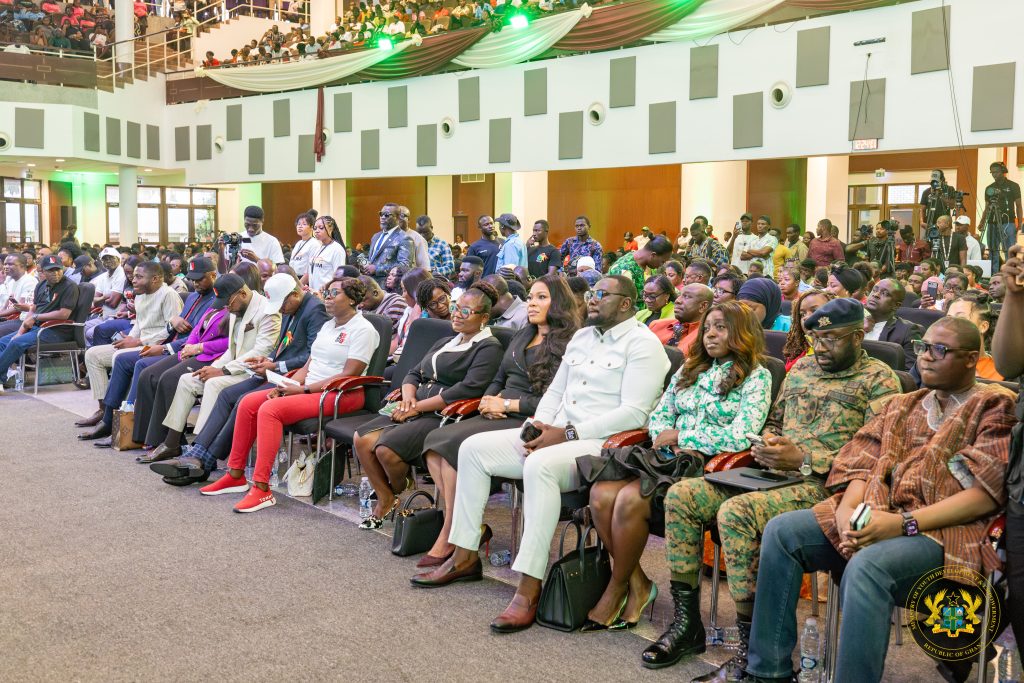
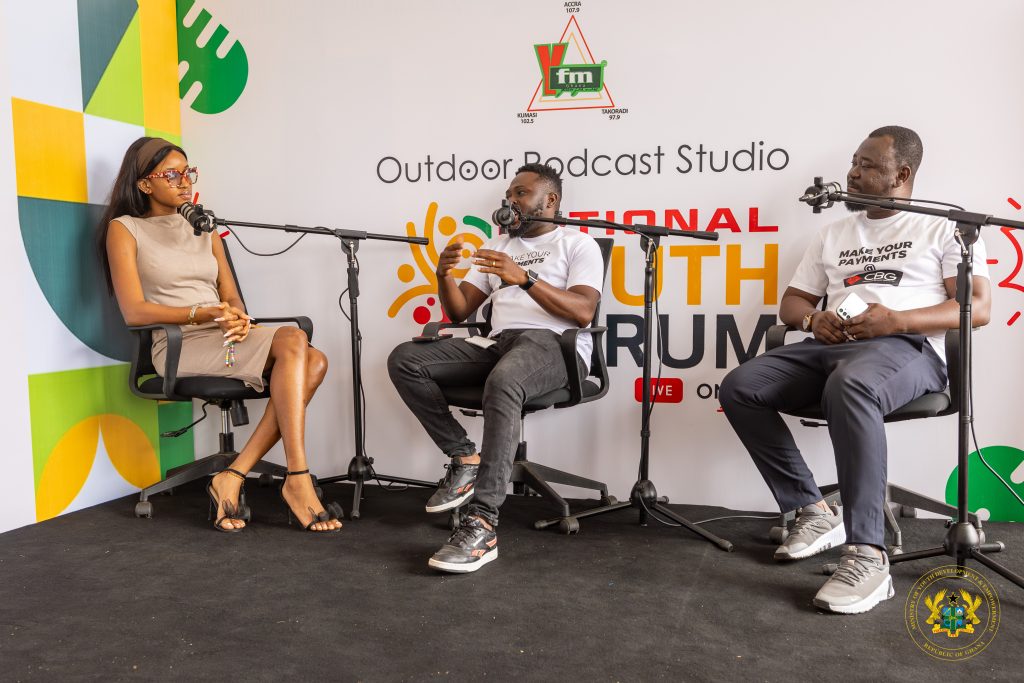
Held under the theme “A Sound Youth, A Sound Nation: Your Voice. Your Future. Our Ghana,” the Forum brought together young people, policymakers, development partners, institutions and other stakeholders to confront the realities facing Ghana’s youth and explore practical pathways for unlocking their potential. Importantly, the Forum moved beyond broad policy conversations to address concrete issues affecting young people’s transition from education and training into productive economic activity. Discussions on employment, national service, entrepreneurship and skills development demonstrated that tackling youth unemployment requires coordinated action across institutions and a deliberate focus on what happens to young people after they participate in government programmes.
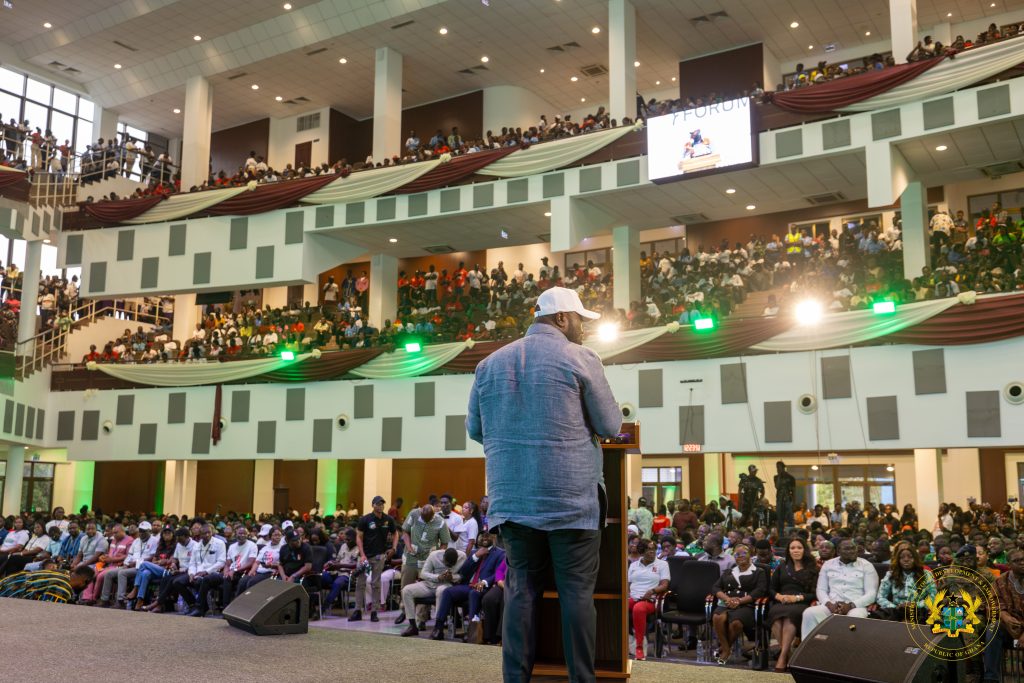
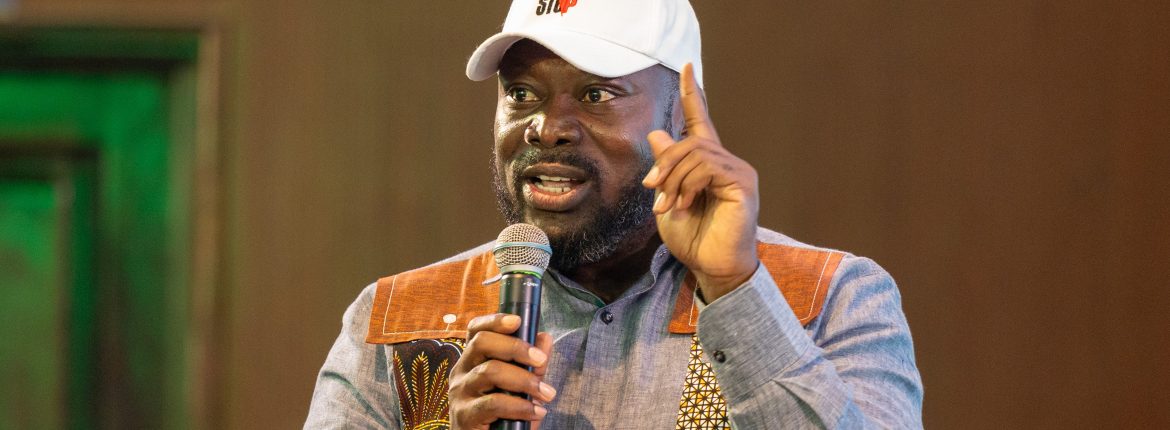
The message emerging from the Forum was compelling: young people need more than jobs; they need pathways to opportunity. Those pathways must be visible, accessible and connected, enabling young people to progress from skills acquisition and training to employment, entrepreneurship, enterprise growth and, ultimately, sustainable economic independence. According to the Minister for Youth Development and Empowerment, Hon. George Opare Addo, Ghana must rethink its approach to youth empowerment by focusing on opportunities that translate into sustainable livelihoods and meaningful economic participation. Government, he noted, must move beyond isolated interventions and build a system in which young people can access the right support at the right stage of their journey, whether as employees, entrepreneurs, innovators, skilled professionals or employers of others.
The National Service Authority (NSA) featured prominently in this conversation. The Director-General of the Authority, Madam Ruth Dela Seddoh, disclosed at the Forum that the National Service allowance has been increased under the administration of President John Dramani Mahama as part of efforts to improve the welfare of young people undertaking national service. The intervention underscores the importance of ensuring that national service is not only a civic responsibility but also a meaningful transition point in the economic lives of young people.
For the Minister, however, the conversation must extend beyond welfare to what happens after national service. Speaking as a panelist at the Forum, Hon. Opare Addo urged upcoming National Service personnel to embrace the imminent shift towards greater private-sector postings as part of efforts to strengthen the transition from national service into employment. He explained that available data suggests young people who complete their service within government institutions may spend considerably longer periods waiting for employment compared with those who gain experience in the private sector. The proposed shift is therefore intended to expose young people to practical work environments while creating stronger pathways from national service into sustainable employment. This reflects a broader principle emerging from the Forum: government interventions must increasingly be designed around progression and outcomes, rather than participation alone.
The Youth Employment Agency (YEA) also provided evidence of the scale of government’s employment interventions. At the Forum, YEA Chief Executive Officer Malik Basintale stated that the Agency had recruited more than 90,000 young people since the government assumed office, as part of efforts to create employment opportunities for Ghana’s youth. The figure demonstrates the scale of the employment challenge and the importance of expanding opportunities, while also reinforcing the need to ensure that employment interventions create sustainable pathways rather than temporary solutions. The next stage of Ghana’s youth employment agenda must therefore focus increasingly on employability, skills development, private-sector absorption, enterprise creation and the capacity of young people to remain economically active beyond individual programmes.
This vision places MYDE and its agencies at the centre of an increasingly interconnected youth development architecture. The National Youth Authority (NYA), YEA, National Entrepreneurship and Innovation Programme (NEIP) and NSA each have distinct mandates, but their collective impact can be significantly greater when their interventions operate as parts of one coherent ecosystem. A young person should be able to move from skills development to apprenticeship, national service, employment or enterprise creation without having to navigate disconnected programmes and institutions. In this model, the role of government is to connect opportunities and create a continuum of support that responds to the different aspirations and circumstances of young people.
This also requires a fundamental shift in how success is measured. The critical question should no longer be simply how many young people were trained, registered, enrolled or supported. The more important question is: how many young people progressed into productive and sustainable economic activity? This means placing greater emphasis on employability, job placement, enterprise survival and growth, income generation, job creation and sustained economic participation. It also means strengthening collaboration across agencies so that one intervention can become the foundation for the next stage of a young person’s journey.
The Forum further demonstrated that youth empowerment is a shared national undertaking. Government must create the enabling environment and expand access to opportunities, but young people must also take ownership of their futures by acquiring skills, embracing entrepreneurship, pursuing opportunities, developing innovative solutions and contributing to their communities. The private sector, development partners, civil society, educational institutions and employers must equally play their part in creating pathways into productive work. The emerging shift towards stronger private-sector engagement in national service, for example, illustrates how partnerships beyond government can improve young people’s exposure to the labour market and strengthen their prospects for employment.
The National Youth Forum 2026 has therefore reinforced a simple but powerful ambition: move from unemployment to opportunity, from opportunity to productivity, from productivity to enterprise, and from enterprise to national transformation. For MYDE and its agencies, the task ahead is to connect the various pieces of the youth development ecosystem, strengthen institutional collaboration, use data to measure real outcomes and ensure that the voices of young people translate into practical action.
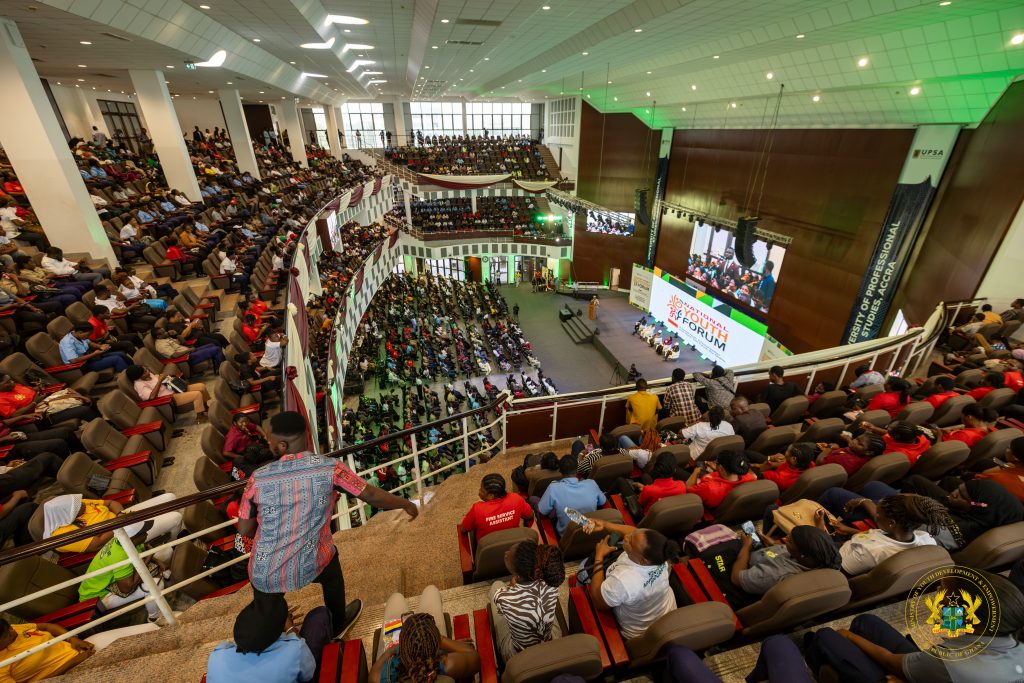
Ghana’s youth do not simply represent the future; they are part of the country’s economic present. Their energy, creativity, skills and aspirations are among the nation’s greatest assets. If these assets are connected to the right opportunities, supported by responsive institutions and matched with the determination of young people themselves, the challenge of youth unemployment can become an opportunity to accelerate entrepreneurship, productivity, innovation and inclusive national growth. The National Youth Forum has therefore provided more than a platform for dialogue; it has reinforced a national direction in which young people are not merely beneficiaries of programmes, but active participants in shaping and building Ghana’s future. Your Voice. Your Future. Our Ghana.